
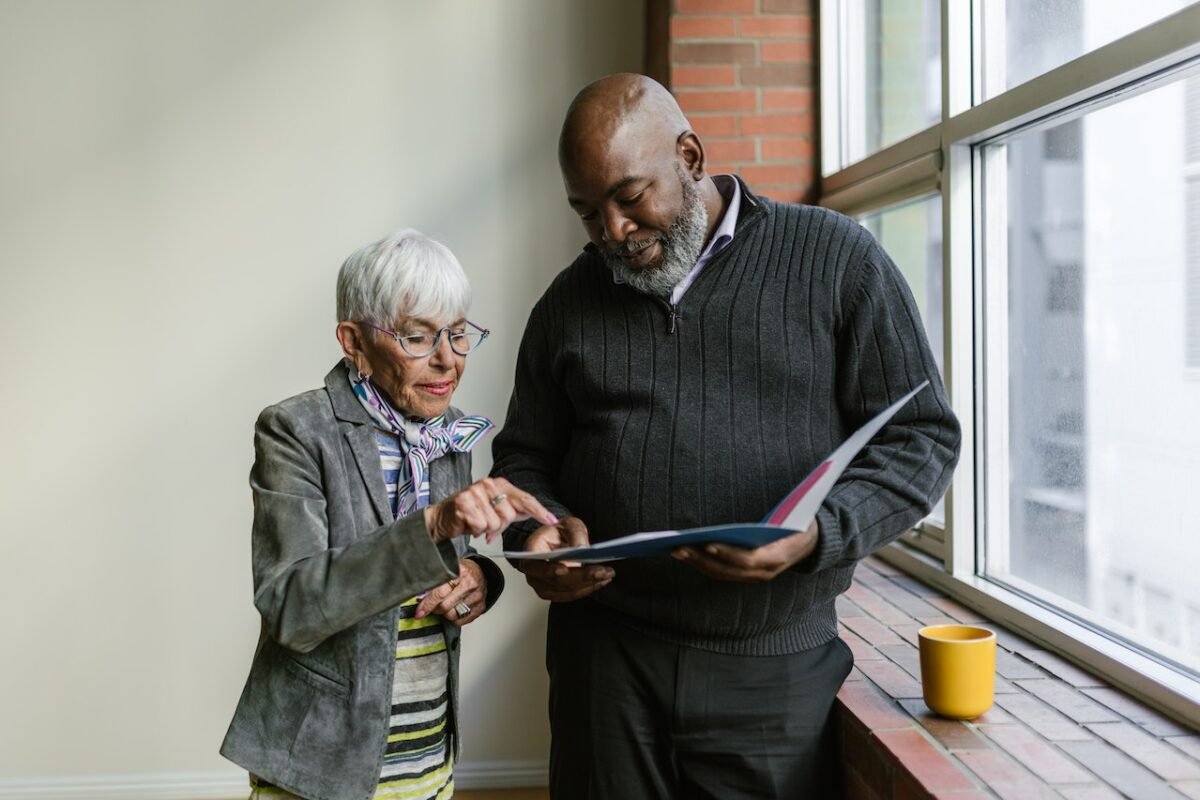
In the beautifully diverse tapestry of humanity, every culture brings with it unique traditions, beliefs, and practices that shape the way individuals experience life and approach care. As a caregiver, embracing cultural sensitivity is not only a sign of respect but also an essential aspect of providing holistic care. In this blog, we’ll delve into the significance of cultural sensitivity in caregiving, exploring how caregivers can honor diverse traditions, beliefs, and practices to create an environment that fosters understanding, dignity, and inclusivity.
1. Recognizing Cultural Diversity: Begin by acknowledging the diversity within the individuals you care for. Embrace an attitude of curiosity and willingness to learn about their cultural background.
2. Open and Respectful Communication: Encourage open conversations about cultural practices and beliefs. Create an atmosphere where individuals feel comfortable sharing their values, traditions, and preferences.
3. Educate Yourself: Take the initiative to learn about the cultural backgrounds of the individuals you’re caring for. Research their traditions, religious practices, dietary restrictions, and other relevant aspects.
4. Customized Care Plans: Craft care plans that are tailored to each individual’s cultural needs and preferences. This might include accommodating dietary requirements, scheduling prayer times, or incorporating traditional healing practices.
5. Embrace Rituals and Celebrations: Participate in and support cultural rituals, celebrations, and events that are important to the individuals you’re caring for. This can foster a sense of belonging and connection.
6. Engage with Families: Involve family members in discussions about cultural preferences. They can provide valuable insights into traditions and practices that hold significance for their loved ones.
7. Dignified End-of-Life Practices: Respectful end-of-life care involves understanding and honoring cultural practices related to death and mourning. This might include specific burial customs or rituals.
8. Language Considerations: If language barriers exist, explore ways to bridge the gap, such as providing translations or using visual aids. Effective communication is a cornerstone of cultural sensitivity.
9. Cultural Competence Training: Consider undergoing cultural competence training to deepen your understanding of different cultures and improve your ability to provide sensitive care.
10. Advocate for Inclusivity: Advocate for an inclusive environment within your caregiving setting. Encourage colleagues and fellow caregivers to embrace cultural sensitivity and create a harmonious space for everyone.
11. Respecting Boundaries: Always be attentive to individuals’ comfort levels. Respectful caregiving involves knowing when to engage in discussions and when to give space.
12. Addressing Stereotypes and Prejudices: Challenge stereotypes and prejudices that might affect your interactions. Promote empathy and understanding as you navigate cultural differences.
Cultural sensitivity isn’t just about ticking boxes – it’s about genuinely embracing and celebrating the richness of diverse cultures. By incorporating cultural sensitivity into your caregiving approach, you not only provide personalized care but also contribute to a world where every individual’s background is respected and cherished. Your commitment to cultural sensitivity fosters an environment of dignity, respect, and compassionate care.
